
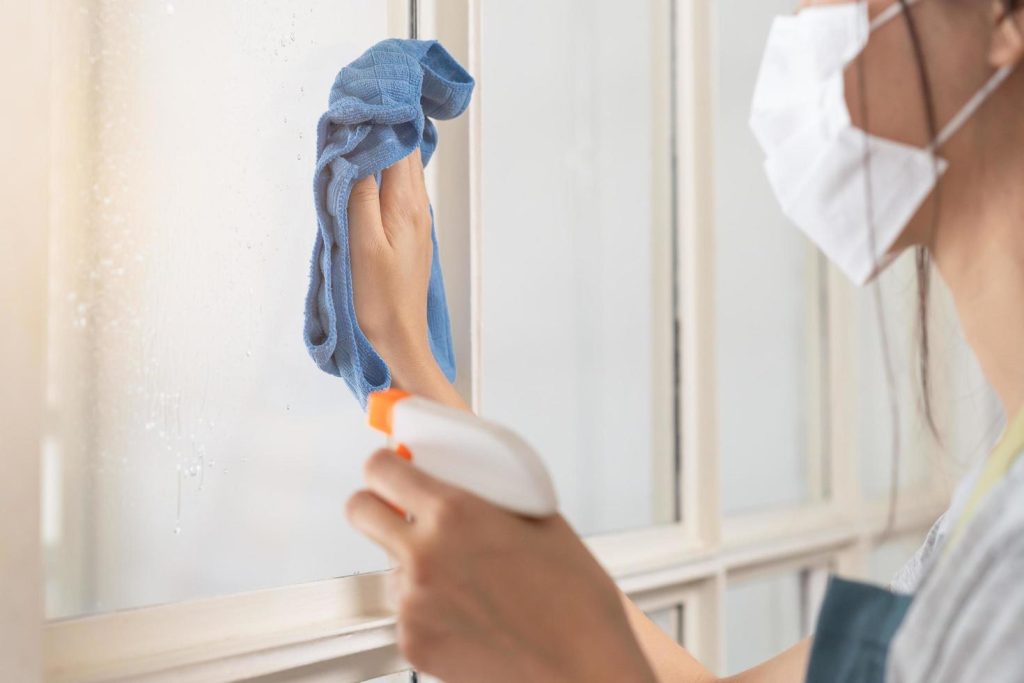
 When it comes to window cleaning, there are a few key factors that determine the effectiveness of your cleaning solution. From the chemicals used to the tools and techniques employed, understanding the science behind window cleaning can help you achieve streak-free, sparkling windows every time.
In this article, we answer some frequently asked questions about cleaning solutions and how they work in the window cleaning process. We’ll also go into the benefits of hiring a professional window cleaning service that has a deep understanding of the science behind window cleaning.
When it comes to window cleaning, there are a few key factors that determine the effectiveness of your cleaning solution. From the chemicals used to the tools and techniques employed, understanding the science behind window cleaning can help you achieve streak-free, sparkling windows every time.
In this article, we answer some frequently asked questions about cleaning solutions and how they work in the window cleaning process. We’ll also go into the benefits of hiring a professional window cleaning service that has a deep understanding of the science behind window cleaning.
Article Summary:
- Understanding Different Types of Window Cleaning Solutions
- How Do Eco-Friendly Cleaning Products Benefit Your Home?
- The Role of pH Levels in Effective Window Cleaning
- FAQs: Window Cleaning Solutions
- How TruShine Window Cleaning Chooses the Right Solution
1. Understanding Different Types of Window Cleaning Solutions
When it comes to window cleaning solutions, the variety available can be quite extensive, each bringing its own set of benefits and drawbacks.- Traditional window cleaning solutions often rely on ammonia or vinegar-based formulas, providing strong cleaning power to tackle tough grime and streaks. However, these can sometimes leave behind residues or harsh odors.
- Eco-friendly options, on the other hand, are gaining popularity for their sustainable ingredients and reduced environmental impact, often using plant-based or biodegradable components that are gentle on surfaces and the planet.
- Specialized formulas, such as those designed to combat hard water stains or offer UV protection, cater to specific cleaning challenges and can be highly effective in targeted situations.
2. How Do Eco-Friendly Cleaning Products Benefit Your Home?
Adopting eco-friendly window cleaning solutions for your home offers a multitude of benefits, both for the environment and your family’s well-being. These products are designed with sustainable ingredients that minimize harmful chemical runoff, reducing your ecological footprint and contributing to a cleaner planet. Not only are they gentle on the earth, but they are also safer for your family and pets, eliminating exposure to toxic substances often found in traditional cleaning solutions. Despite their gentler composition, eco-friendly products are highly effective, tackling dirt and grime without compromising on cleanliness.3. The Role of pH Levels in Effective Window Cleaning
Understanding the role of pH levels in window cleaning is vital for achieving spotless results while preserving the integrity of your windows. The pH scale measures the acidity or alkalinity of a solution, and it significantly influences the cleaning power and safety of various products. A neutral pH level, around 7, is often ideal for general cleaning, as it is gentle yet effective on most surfaces. However, acidic solutions (pH less than 7) are particularly effective at dissolving mineral deposits and rust, making them suitable for tackling hard water stains, a common issue in places like Houston. On the other hand, alkaline solutions (pH greater than 7) excel at cutting through grease and organic matter, providing a powerful clean for grimy windows. Selecting the appropriate pH level based on the type of dirt and window material is crucial, as it not only enhances cleaning efficacy but also protects against potential damage or streaks.4. Frequently Asked Questions: Window Cleaning Solutions
What makes a good window cleaning solution?
A good window cleaning solution is one that effectively removes dirt, grime, and other buildup without leaving any residue behind. It should also be gentle on your glass and not cause any damage or scratches.What types of chemicals are typically used in window cleaners?
The most common type of chemical used in window cleaners is a surfactant. Surfactants are compounds that reduce the surface tension between two different substances, which helps water and cleaning solution penetrate dirt and grime on your windows. Other chemicals that may be present in window cleaners include solvents, which dissolve oils and greasy buildup, and ammonia, which is effective at cutting through tough grime and leaving a streak-free finish.Are there any eco-friendly alternatives for window cleaning solutions?
Yes, there are eco-friendly options for window cleaning solutions. Some natural ingredients such as vinegar, lemon juice, and baking soda can be combined with water to create an effective DIY cleaner. You can also purchase eco-friendly commercial cleaners that are made with biodegradable and non-toxic ingredients.Why is it important to use the right concentration of cleaning solution?
Using the right concentration of cleaning solution is crucial for achieving optimal results. Too little solution may not effectively clean your windows, while too much can leave behind residue and streaks.How does water quality affect window cleaning solutions?
 Water quality plays a significant role in how effective your window cleaning solution will be. Hard water, which contains minerals such as calcium and magnesium, can create spots and streaks on your windows even after they have been cleaned. Using distilled or deionized water can help prevent this issue.
Can dish soap be used as a window cleaner?
Yes, dish soap can be used as a window cleaner in a pinch. However, it is important to note that dish soap is not specifically formulated for cleaning glass and may leave behind residue or streaks. It is best to use a dedicated window cleaning solution for optimal results.What other tools are necessary when using a cleaning solution?
In addition to the cleaning solution itself, you will need some essential tools for effective window cleaning. These include a squeegee, microfiber cloths or paper towels, and a bucket with clean water for rinsing your tools. Using the right combination of chemicals and tools can make all the difference in achieving crystal clear windows. Read more in our guide “The Best Things To Use To Clean Windows.” Remember to always follow safety precautions when handling cleaners and to avoid mixing different chemicals together.5. How TruShine Window Cleaning Chooses the Right Solution for You
At TruShine Window Cleaning, we understand the importance of selecting the right cleaning solution to achieve optimal results for your windows. We carefully assess the type and extent of dirt and grime on your windows, as well as their material, to determine the most suitable solution. We also prioritize using eco-friendly products whenever possible, ensuring our cleaning methods are safe for both your family and the environment. Our team has extensive experience in handling various window cleaning challenges and is the go-to Houston window cleaning company for any situation. Trust us to leave your windows shining with our expert cleaning techniques and careful selection of high-quality solutions. Call TruShine Window Cleaning today!Window Cleaning Solution Guidance for Houston Homes
Store-bought sprays, vinegar mixes, and microfiber towels can help with light fingerprints, but Houston windows often deal with heavier pollen, humidity film, sprinkler minerals, and outdoor dust. If the glass still looks cloudy after basic cleaning, TruShine’s Houston window cleaning services can help homeowners decide whether the issue is residue, hard water staining, screen dust, or exterior buildup.
Cleaning solution choice also depends on the condition of nearby screens, tracks, sills, and exterior surfaces. Before scrubbing stubborn spots, compare the TruShine window cleaning FAQ, hard water stain removal tips for Houston windows, Houston window screen repair, and TruShine customer reviews.
When DIY window cleaner may not be enough
- Sprinkler minerals or hard water spots keep showing after cleaning.
- Pollen, dust, or humidity film returns quickly after rain or windy weather.
- Screens, tracks, or sills are holding dirt against clean glass.
- You are preparing for guests, listing photos, HOA curb appeal, or seasonal maintenance.
For a cleaner view without guessing at chemicals or tools, book a free TruShine estimate and describe what is showing on the glass.
Houston Window Cleaning Solution Questions Before You Book
Choosing a window cleaning solution is not just about what goes in the bucket. Houston homes often need a practical plan for pollen film, sprinkler minerals, dusty screens, roof runoff, patio splashback, and heat-baked exterior grime. The safest next step is matching the cleaning method to the glass condition, the surrounding exterior surfaces, and the homeowner’s timing.
For routine glass, tracks, sills, fingerprints, and exterior haze, start with Houston window cleaning services. If the issue includes damaged mesh or dusty screens, pair the visit with Houston window screen repair. If concrete, siding, patios, or walkways keep splashing grime back onto the windows, compare Houston pressure washing services as part of the same curb-appeal plan.
- Use professional cleaning when hard water spots, pollen film, or exterior haze keep returning after normal wiping.
- Check screens before cleaning so dust and torn mesh do not make freshly cleaned windows look unfinished.
- Review common next steps in the TruShine window cleaning FAQ and compare service proof on the TruShine customer reviews page.
Window cleaning solution FAQ for Houston homeowners
What window cleaning solution is best for Houston homes? The best choice depends on the glass condition, pollen, sprinkler overspray, hard-water spotting, screen dust, and exterior grime around the window. A professional visit helps match the method to the problem instead of guessing.
Can DIY window cleaner remove hard water spots? Light spots may improve, but older mineral deposits can bond to or etch glass. If spots keep coming back, schedule a review before scrubbing aggressively.
Should screens be cleaned or repaired before window cleaning? Yes. Dusty, torn, loose, or bent screens can make clean glass look unfinished and may push grit back toward the window after service.
For help choosing the right service path, book a free TruShine window cleaning estimate.